
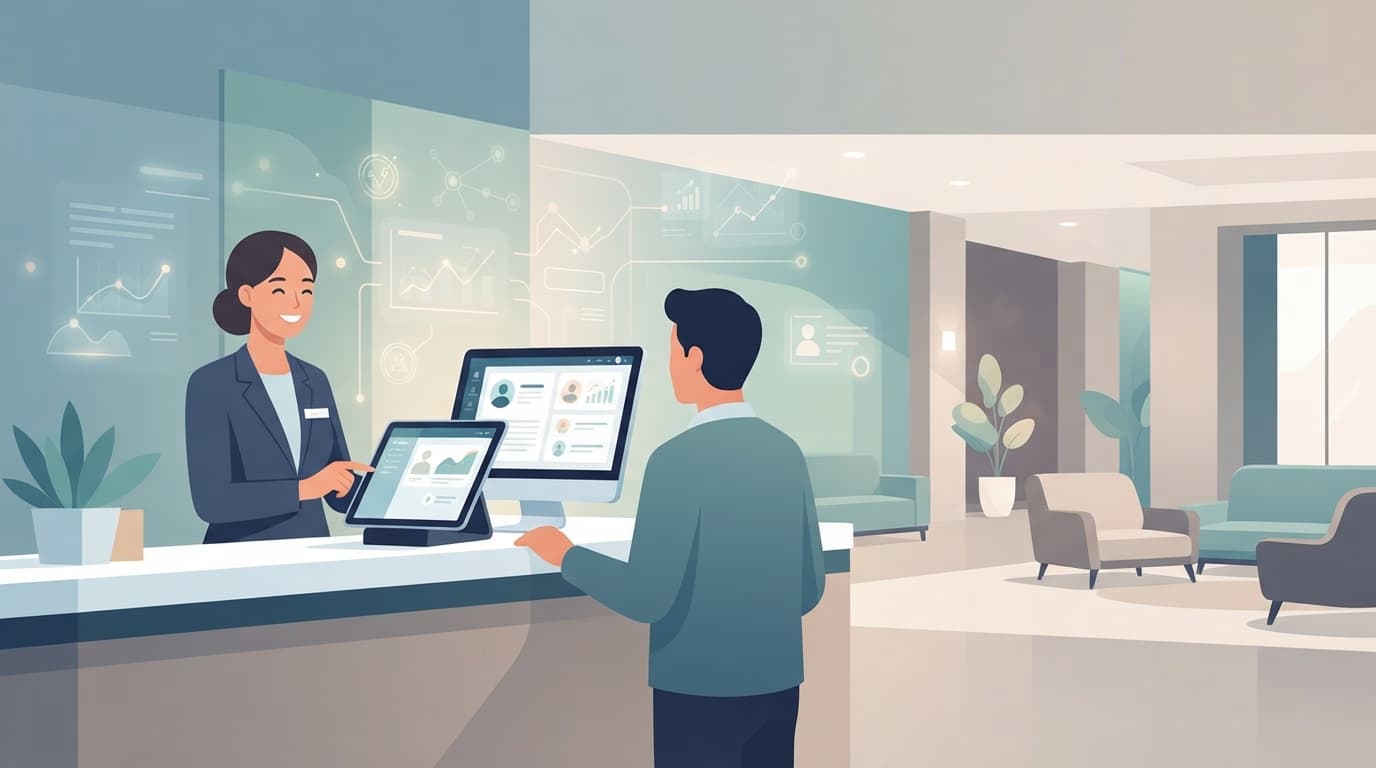
Building guest loyalty isn't just about sending newsletters: it means anticipating guests' needs, personalising every stay and reducing friction. Integrated hotel software automates these touchpoints and turns repeat business into a sustainable revenue driver. The key is to unify data, communication and operations so that every guest feels unique without multiplying manual work.
Why does guest loyalty depend on technology?
Repeat business is one of the goals with the greatest impact on the bottom line: a returning guest books more directly, spends more on the property and recommends more readily. However, without the right tools, loyalty tasks remain just intentions. Generic emails don't convert, manual follow-ups get lost and guest data ends up scattered across notebooks or spreadsheets.
Hotel management software with CRM and automation features allows you to close that loop with less effort. Avirato, for example, centralises each guest's history and connects it with the booking engine, online check-in and payments. This way, every interaction is recorded and used to personalise the next communication.
Guest loyalty with hotel software: which tasks to automate first
You don't need to redesign your entire strategy overnight. Loyalty starts by removing friction and automating the most frequent touchpoints. These are the tasks a hotel can delegate to technology from the first week:
- Online check-in and automated reception: reduces waiting times and allows you to collect preferences before arrival. The guest feels the hotel knows them and respects their time.
- Segmented email marketing: send welcome messages, repeat offers or birthday greetings without manual intervention. Segment by type of stay, booking channel or average spend.
- Integrated payments: store payment methods (with consent) to speed up future bookings and reduce friction at checkout.
- Loyalty offers and smart pricing: apply special rates to repeat guests or those arriving through direct channels, without breaking rate parity.
These actions don't require additional staff. They only need a system that triggers them automatically and records the results.
How to measure whether loyalty is working
Repeat business data can be checked in real time: percentage of returning guests, revenue per repeat guest, open rate of loyalty emails and chosen booking channel. With a PMS like Avirato, these indicators come from the same dashboard, without exporting reports or cross-referencing databases.
Which guest data should be unified for better loyalty
Loyalty feeds on data. The more touchpoints are connected, the easier personalisation becomes. A comparison table helps visualise what information should be gathered and what it's used for in each type of accommodation.
| Guest data | Capture source | Use for loyalty |
|---|---|---|
| Contact details and preferences | Booking engine, online check-in | Campaign segmentation and personalisation |
| Stay and spending history | PMS, integrated payments | Offers based on actual spend and room type |
| Usual booking channel | Channel manager, booking engine | Encourage direct bookings with exclusive benefits |
| Issues and special requests | PMS, automated reception | Resolve before arrival and surprise with details |
In small hotels, this unification avoids relying on the receptionist's memory. In chains or groups with multiple properties, it allows a guest to be recognised at any of the establishments and offered consistent treatment.
Loyalty in high season: how to automate without losing the personal touch
High season is the worst time to ask your team to remember every guest. With operations stretched to the limit, loyalty only works if it's automated. A guest arriving in August doesn't need more emails, but rather more agile service: advance online check-in, frictionless payments and scheduled post-stay messages.
Avirato allows you to schedule these workflows and review repeat business indicators even at full occupancy. This way, the hotel doesn't lose the relationship with the guest when it's busiest.
Many hoteliers are torn between loyalty and attracting new guests. The answer isn't mutually exclusive: acquisition feeds the database, but loyalty reduces acquisition costs and protects margins. Management software that connects both functions allows you to do both without duplicating efforts.
Another common doubt is whether automation makes service colder. Experience shows the opposite: when the system takes care of remembering preferences and sending timely messages, staff spend more time on genuine service, not administrative tasks.
Guest loyalty stops being an intention when it's supported by technology that executes. With Avirato, hotels unify PMS, booking engine, channel manager, payments and communication on a single platform, and turn repeat business into a measurable competitive advantage.
Request a free Avirato demo and discover how to automate your guest loyalty without adding manual work.
Frequently asked questions
What loyalty tasks can a hotel automate with management software?
The most common are online check-in, sending segmented email campaigns, repeat offers, storing payment methods with consent and applying special rates for repeat or direct-booking guests.
Do I need a separate CRM to build guest loyalty?
Not necessarily. Hotel management software like Avirato integrates CRM features with the PMS, booking engine and payments, which avoids duplicating databases and simplifies personalisation.
How is guest loyalty measured?
With indicators such as the percentage of returning guests, revenue per repeat guest, open rate of loyalty emails and the chosen booking channel. A PMS with unified reports shows this data without exporting or cross-referencing sources.
Does automating loyalty make service colder?
No. By automating reminders, messages and preferences, staff spend more time on genuine personal service and less on administrative tasks.
Can small or rural accommodations benefit from these tools?
Yes. Data unification and message automation are useful for any accommodation, whether a boutique hotel, a rural house or a campsite, because they reduce manual work and improve the guest experience.